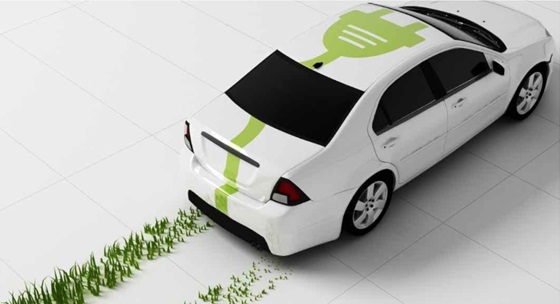
EV Charging Myths Debunked: What Every Driver Should Know
The world is shifting gears towards electric vehicles (EVs), driven by environmental concerns and the quest for sustainable transportation. Despite their growing popularity, EVs are still shrouded in myths, especially around charging. Let’s set the record straight.
Myth 1: EVs Take Too Long to Charge
Not all charging is created equal. Level 1 chargers (standard outlets) are slow but great for overnight. Level 2 chargers (common in homes and public spots) can fully charge in a few hours. DC Fast Chargers? They can juice up your EV to 80% in 30 minutes or less.

Myth 2: EV Charging is Inconvenient
Think charging your phone overnight. That’s what home charging feels like. Public charging stations are growing fast, with networks like Tesla Superchargers, ChargePoint, and more making it hassle-free.
Myth 3: There Aren’t Enough Charging Stations
With over 150,000 public chargers in the U.S. alone and counting, finding a station is easier than you think. Apps like Voltshares and Google Maps make locating chargers a breeze.
Myth 4: EVs Can’t Handle Long Road Trips
Modern EVs offer 200-400 miles of range, perfect for road trips. Fast chargers along highways mean you can grab a coffee while your car charges.

Myth 5: Charging an EV is Expensive
Home charging costs a fraction of gas. Even public charging, though pricier than home, is often cheaper than fueling a traditional car. Plus, many places offer free charging.
Myth 6: EV Batteries Degrade Quickly
EV batteries are built to last, with warranties up to 8 years. Real-world data shows minimal degradation, with many EVs retaining over 80% capacity after 100,000 miles.

Myth 7: Charging an EV is Dangerous
EVs meet strict safety standards. Charging is safe if you follow guidelines, just like any electrical appliance.
Myth 8: EVs Are Worse for the Environment Due to Electricity Production
Even with coal-powered grids, EVs have lower emissions than gas cars. As grids get cleaner, so do EVs.
Myth 9: EVs Drain Power from the Grid
Smart charging and off-peak charging strategies help balance grid demand. EVs can even support the grid through vehicle-to-grid (V2G) tech.

Myth 10: You Need Special Skills to Charge an EV
It’s as simple as plug-and-play. Charging networks provide easy-to-use interfaces, making the process intuitive for everyone.
Common Misconceptions About Charging Speed
Factors like battery size, charger type, and temperature affect charging speed. Planning helps maximize efficiency.
EV Charging Etiquette
Don’t hog chargers when your car is full. Be mindful of charging time, and unplug for others when done.
The Future of EV Charging
Expect wireless charging, faster chargers, and better energy management. The future is bright and ultra-efficient.
Conclusion
Debunking these myths helps more people embrace EVs confidently. Charging is easy, affordable, and getting better every day.
For more information visit: Voltshares